COPD: Diagnosis and Long-Term Care
COPD is a long-term lung condition that causes breathlessness, cough and phlegm, most often after years of smoking. Dr. David Kupferberg, a pulmonologist board certified in the US and Israel, confirms the diagnosis with breathing tests and works out a plan with you aimed at easing symptoms and reducing flare-ups.
Dr. Kupferberg sees patients aged 16 and over.
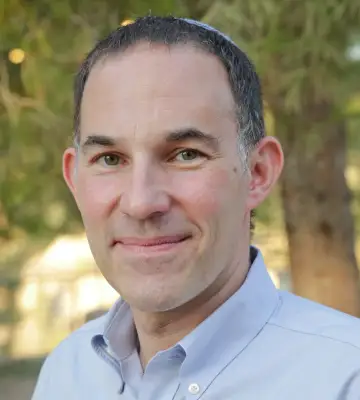
Dr. David KupferbergPulmonary & Critical Care Physician
What are the symptoms of COPD?
COPD usually develops slowly, over years, so early symptoms are easy to put down to age or being out of shape. The most common are:
- Breathlessness, at first mainly on exertion
- A daily cough
- Phlegm (mucus) that lasts for months
- Wheezing or chest tightness
- Flare-ups, when symptoms suddenly get worse, often after a cold or chest infection
When should I see a lung specialist for COPD?
See a lung specialist if you smoke or used to smoke, or had long exposure to dust or fumes, and you have breathlessness, a daily cough, or phlegm that has lasted for months.
Also book if COPD has already been diagnosed but you still have flare-ups, hospital visits, or breathlessness that limits your day.
How does Dr. Kupferberg evaluate COPD?
Spirometry and lung-volume tests are charged in addition to the consultation. The evaluation includes:
- A review of your symptoms, flare-ups, smoking and exposure history.
- A check of which inhalers you use and how you use them.
- Spirometry before and after a bronchodilator, which confirms airflow obstruction.
- Lung volumes, which help assess air trapping.
- Walking (exertional) oximetry, which checks whether your oxygen level drops when you move, in the clinic or at home.
- A plan agreed with you: the right inhalers and technique, stopping smoking, vaccines, pulmonary rehabilitation, and what to do in a flare-up.
Can follow-up be at home or by video?
Yes. Follow-up can be in the clinic in Jerusalem or Efrat, by video, or at home when needed and feasible. On a home visit, Dr. Kupferberg can do spirometry with a portable spirometer and check your oxygen level while you walk.
He evaluates whether you need oxygen; the clinic doesn’t supply oxygen equipment.
Frequently asked questions
What is COPD?
COPD (chronic obstructive pulmonary disease) is a long-term lung condition in which the airways are narrowed and air gets trapped in the lungs, causing breathlessness, cough and phlegm. It includes emphysema and chronic bronchitis. The main cause is smoking, but dust, fumes and indoor smoke also contribute. Spirometry confirms the diagnosis.
What’s the difference between COPD and asthma?
Both narrow the airways. Asthma usually varies a lot, often starts earlier in life, and the narrowing largely reverses with treatment. COPD usually develops after years of smoking or exposure, is more persistent, and the damage is generally not fully reversible. Some people have features of both. Spirometry before and after a bronchodilator, plus your history, helps tell them apart.
What is the life expectancy with COPD?
It varies widely. Many people with mild COPD live a normal lifespan. Outlook depends on the severity of airflow obstruction, how often you have flare-ups, whether you keep smoking, your activity level and other health conditions. Stopping smoking, using inhalers correctly, staying active, vaccines and pulmonary rehabilitation all improve how people do. Your specialist can discuss your own situation.
Can COPD be reversed?
The lung damage in COPD generally can’t be reversed, but symptoms, flare-ups and quality of life can often improve a lot. Stopping smoking is the single most important step and slows further decline. The right inhalers, good inhaler technique, exercise and pulmonary rehabilitation help most people breathe and feel better.
Should I stop my COPD inhalers before the breathing test?
Only if you know you’re booked for spirometry or lung volumes; for a regular visit, keep taking your inhalers as usual. Stop short-acting relievers such as Ventolin or Airomir 6 hours before the test, Atrovent 12 hours before, twice-daily long-acting or combination inhalers such as Symbicort or Seretide 24 hours before, and once-daily ones such as Spiriva or Relvar 48 hours before. Steroid-only inhalers can usually be continued. If you become short of breath, use your reliever inhaler. Your safety comes first. Tell us when you arrive. Bring all your inhalers.
Sources
Book a COPD evaluation
See Dr. Kupferberg in Jerusalem or Efrat for breathing tests and a plan, with follow-up by video or at home when needed and feasible.
In an emergency, such as severe shortness of breath or chest pain, call Magen David Adom at 101 or go to the nearest emergency room.
Related pages
Breathing Tests
Spirometry, lung volumes and walking oximetry in the clinic, with spirometry and oximetry also offered at home visits, plus clear instructions on how to prepare.
Home Visits
Visits at home by Dr. Kupferberg in the Jerusalem area and Gush Etzion, when needed and feasible, with portable breathing tests available.
Inhaler Technique
A video and step-by-step guide for adults using a metered-dose inhaler with a spacer.
Asthma
Diagnosis and follow-up of asthma in adults, with breathing tests in the clinic and a written plan.