Shortness of Breath: Looking for the Cause
Getting breathless with less effort than before, or without a clear reason, deserves a careful look. Dr. David Kupferberg, a pulmonary and critical care physician with more than 25 years of experience, evaluates shortness of breath at his clinics in Jerusalem and Efrat, looking for the cause so that treatment can target it.
Dr. Kupferberg sees patients aged 16 and over.
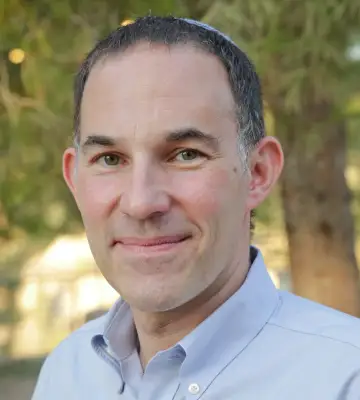
Dr. David KupferbergPulmonary & Critical Care Physician
What is shortness of breath?
Shortness of breath, also called breathlessness or dyspnea, is a feeling of discomfort or difficulty with breathing. People describe it in different ways: not being able to get enough air, having to work harder to breathe, or a tight chest.
Getting out of breath during hard exercise is normal. What deserves attention is a change: breathlessness with less effort than before, or without a clear reason. Many people first notice it when walking, especially uphill, or when climbing stairs.
Because breathlessness can come from the lungs, the heart, the blood or general fitness, and often from more than one of these at once, finding the cause takes a careful evaluation.
When should I see a lung specialist?
Sudden or severe shortness of breath, chest pain, blue lips or confusion is an emergency: call 101 (Magen David Adom).
Otherwise, see a lung specialist if:
- You get breathless with less effort than before
- Your breathlessness has built up over weeks or months
- It wakes you at night
- It comes with a cough, wheeze or leg swelling
- No cause has been found
How does Dr. Kupferberg evaluate shortness of breath?
The aim is to find what is causing your breathlessness, so that treatment can target it. The evaluation usually includes:
- A detailed conversation about when and how you get breathless, your medical history, medicines, smoking and exposures.
- A physical examination.
- Breathing tests in the clinic: spirometry before and after a bronchodilator, and lung volumes, to tell airway problems apart from restrictive lung problems. Spirometry and lung-volume tests are charged in addition to the consultation.
- Walking (exertional) oximetry: your oxygen level is measured at rest and while you walk, in the clinic or at home.
- If the cause may be the heart, the blood (for example, anemia) or fitness, Dr. Kupferberg coordinates the next tests with your doctors.
Can the tests be done at home?
If getting to a clinic is difficult, Dr. Kupferberg can see you at home when needed and feasible. Spirometry, including with a bronchodilator, can be done at home with a portable spirometer, and so can walking oximetry. Lung volumes are measured in the clinic only. Follow-up visits can also be by video.
Frequently asked questions
When should I worry about shortness of breath?
Call 101 (Magen David Adom) at once for sudden or severe breathlessness, chest pain, blue lips, fainting or confusion. Book a medical evaluation soon if breathlessness is new, is getting worse over weeks, wakes you at night, stops you doing things you used to manage, or comes with cough, wheeze, leg swelling or weight loss.
What causes shortness of breath on mild exertion, such as walking or climbing stairs?
Common causes in adults include lung conditions such as asthma, COPD or interstitial lung disease, heart problems, anemia, and being overweight or out of condition. Often more than one factor contributes. Breathing tests, an examination and sometimes blood tests, heart tests or imaging help find the cause, so treatment can target it.
What does a breathing test show?
Spirometry shows whether your airways are narrowed, as in asthma or COPD, and whether that improves after a bronchodilator. Lung volumes show whether your lungs are smaller than expected (a restrictive pattern) or holding trapped air. Together they help decide whether the lungs explain your breathlessness. Dr. Kupferberg performs both in the clinic, for an additional charge.
Can anxiety or stress cause shortness of breath?
Yes. Anxiety can cause fast breathing, a feeling of not getting enough air, and chest tightness. But breathlessness shouldn’t be put down to anxiety until physical causes such as asthma, heart or lung disease have been considered. A careful evaluation, including breathing tests, helps sort this out.
Sources
Book an evaluation for shortness of breath
See Dr. Kupferberg in Jerusalem or Efrat, or at home when needed and feasible, to look for the cause of your breathlessness.
In an emergency, such as severe shortness of breath or chest pain, call Magen David Adom at 101 or go to the nearest emergency room.
Related pages
Breathing Tests
Spirometry, lung volumes and walking oximetry in the clinic, with spirometry and oximetry also offered at home visits, plus clear instructions on how to prepare.
Asthma
Diagnosis and follow-up of asthma in adults, with breathing tests in the clinic and a written plan.
COPD
Evaluation and long-term care of COPD, with breathing tests, an oxygen check while walking and a plan for flare-ups.
Home Visits
Visits at home by Dr. Kupferberg in the Jerusalem area and Gush Etzion, when needed and feasible, with portable breathing tests available.