Sleep Apnea: Evaluation and CPAP Follow-Up
Obstructive sleep apnea is common, and it often goes unnoticed by the person who has it. Dr. David Kupferberg, a pulmonary and critical care physician, evaluates and manages sleep apnea: he coordinates the right sleep test, reviews the results with you, and follows up on treatment, including CPAP, in person or by video.
Dr. Kupferberg sees patients aged 16 and over.
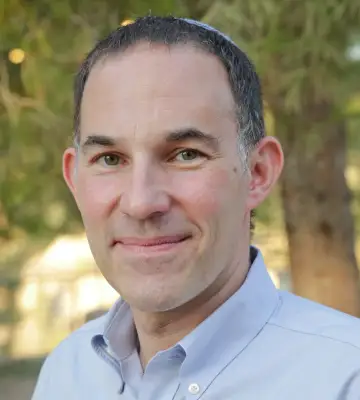
Dr. David KupferbergPulmonary & Critical Care Physician
What is obstructive sleep apnea?
In obstructive sleep apnea, the airway at the back of the throat narrows or closes again and again during sleep. Breathing pauses or becomes shallow until the brain briefly wakes you to breathe, usually without your noticing. Sleep is broken up, and a partner is often the first to notice the snoring and the pauses.
It is more common in men, with age and with excess weight, but it can affect anyone.
When should I get checked for sleep apnea?
Book an evaluation if you have:
- Loud snoring, or pauses in breathing noticed by a partner
- Waking up gasping or choking
- Morning headaches or daytime sleepiness
- Dozing while driving
- Blood pressure that is hard to control, or atrial fibrillation
- A sleep apnea diagnosis or a CPAP machine, and treatment that isn’t working for you
How does Dr. Kupferberg evaluate sleep apnea?
Dr. Kupferberg doesn’t perform sleep studies himself. He coordinates the right test, at home or in a sleep lab, and reviews the results with you:
- Before the visit, you can fill in the STOP-Bang questionnaire on this site and send your result to Dr. Kupferberg by WhatsApp or email.
- At the visit, he reviews your sleep, symptoms and medical history.
- If a sleep test is needed, he coordinates it (a home sleep test or a sleep lab, depending on your situation) and goes over the results with you.
- You then agree on treatment, most often CPAP (a mask connected to a small machine that keeps the airway open with gentle air pressure), and he follows up on how you’re doing, including CPAP troubleshooting and a review of your machine’s data.
Already diagnosed or using CPAP?
Dr. Kupferberg can review a sleep test you’ve already had and help when CPAP isn’t working for you. CPAP follow-up and troubleshooting are available in the clinic in Jerusalem or Efrat, and by video.
Frequently asked questions
How do I know if I have sleep apnea?
The classic signs are loud snoring, pauses in breathing or gasping noticed by someone else, unrefreshing sleep with daytime sleepiness, and morning headaches. A short screening questionnaire such as STOP-Bang (you can fill it in online on this site) estimates your risk, but only a sleep test can confirm the diagnosis. Dr. Kupferberg can assess you and arrange the right test.
Do I need an overnight sleep study in a lab?
Not always. Many adults with a high likelihood of moderate to severe sleep apnea, and no major heart or lung disease, can be tested at home. People with other significant conditions, or a negative home test despite strong symptoms, may need a lab study. Dr. Kupferberg doesn’t perform sleep studies himself. He arranges the appropriate test and reviews the results with you.
Is sleep apnea dangerous?
Untreated moderate to severe sleep apnea is linked to high blood pressure, heart rhythm problems such as atrial fibrillation, and a higher risk of drowsy-driving accidents. It also affects mood, concentration and quality of life. Treatment usually improves daytime sleepiness and can help blood-pressure control, so it’s worth being evaluated if you have symptoms.
Can sleep apnea be treated without CPAP?
CPAP is the most effective treatment for moderate to severe obstructive sleep apnea. Depending on your situation, other options include weight loss, less alcohol in the evening, changes in sleeping position, an oral appliance fitted by a dentist and, in selected cases, surgery by an ENT surgeon. Dr. Kupferberg can discuss which options fit your test results.
I have CPAP but can’t tolerate it. What can I do?
Most CPAP problems can be improved: a different mask style or size, adjusting the pressure or ramp, humidification for a dry mouth or nose, and reviewing the machine’s data to see leaks and usage. Many people who struggled at first use CPAP comfortably after these changes. Don’t just stop; ask for a review. Dr. Kupferberg provides CPAP follow-up and troubleshooting.
Sources
Worried about sleep apnea?
Start with the STOP-Bang questionnaire, then book an evaluation in Jerusalem, in Efrat or by video.
In an emergency, such as severe shortness of breath or chest pain, call Magen David Adom at 101 or go to the nearest emergency room.
Related pages
STOP-Bang Questionnaire
A short questionnaire that estimates your risk of obstructive sleep apnea, with a report you can send to Dr. Kupferberg.
Jerusalem Clinic (Wolfson)
Dr. Kupferberg’s clinic at Wolfson Medical Center, Jerusalem, with sessions about every two weeks, booked online or by phone.
Efrat Clinic
Dr. Kupferberg’s clinic at HaMachar – Efrat Emergency Medical Center, by appointment arranged directly with him by WhatsApp or email.
Second Opinions
A careful review of a lung or breathing diagnosis and treatment plan, in person or by video, by a pulmonologist certified in the US and Israel.